The best lip augmentation starts long before a needle approaches the mouth and ends well after the mirror check. In between, there is planning, precise execution, and thoughtful aftercare. I have treated thousands of lips, from first timers who want a hint of volume to seasoned patients seeking refined contour and hydration. The common thread is this: when you understand each phase of the lip injection procedure, you make better choices and get better results.
Setting expectations that fit your face
A lip enhancement treatment works only if it respects your facial balance. Volume alone does not equal beauty. The top to bottom lip ratio, the philtral columns, the cupid’s bow, the oral commissures, and the distance from the base of the nose to the vermilion all influence how “full” reads on your face. A patient with a short upper lip may request more vertical height, but an experienced injector often prioritizes definition and lift over sheer volume. Conversely, a patient with a long upper lip may benefit from subtle lip filler along the border and the base of the cupid’s bow, not a heavy lip body filler that projects the lip forward too far.
I keep a few measures in mind. From the front, a natural looking lip filler usually preserves a 1:1.6 upper to lower volume relationship. In profile, projection should harmonize with the nose and chin. Your goals might include lip filler for symmetry after a dental procedure, softening lipstick lines with a lip line filler, or a lip hydration filler to combat chronic dryness rather than size. Each intention points to a different lip filler technique and product.
Photos help more than most people expect. Instead of aspirational celebrity pictures, bring images of yourself at different ages. A lip rejuvenation plan guided by your own history often looks more convincing than a dramatic lip plumping treatment modeled on someone else’s bone structure.
Consultation, candidacy, and choosing a plan
A comprehensive lip filler consultation covers medical history, medications, and lifestyle details that affect safety and recovery. Blood thinners, recent dental work, and a history of cold sores all change how we prepare. If you are prone to herpes simplex, we typically start prophylactic antivirals to avoid a flare. If you have an important event, we plan for swelling to peak at 24 to 48 hours and settle over 5 to 10 days, with the final lip filler results visible at around two weeks when water binding stabilizes.
Hyaluronic acid lip filler is the workhorse for non surgical lip augmentation. HA is reversible with hyaluronidase, integrates well with tissue, and comes in a wide range of rheologies. I use softer gels when I want flexibility and natural motion in the lip red, and slightly firmer gels for lip border enhancement or mild structural lift. Brands like Juvederm lip filler and Restylane lip filler each offer multiple options. Rather than asking for the “best lip filler,” ask what the injector uses for the specific effect you want: a lip smoothing filler for fine lines, a lip definition treatment at the vermilion border, or a lip volumizing treatment in the tubercles.
A note on candidates. Smokers, heavy exercisers, and people who bruise easily can still have a safe lip augmentation procedure, but the pre and post care matter more. Patients with a prior history of filler complications or who need lip filler correction often benefit from a staged approach with conservative dosing and follow up.
The anatomy that guides every decision
Lips are not balloons. They are layered structures with zones that respond differently to product and technique. Aim wrong, and you get a stiff smile or a sausage-like contour. Aim right, and the result looks like you, rested.
The white roll frames the mouth and provides crispness. The vermilion border, a few millimeters below, is where lip border enhancement can sharpen shape and improve lipstick bleed. The body of the lip has distinct tubercles that create the youthful central pout. The mucosa requires soft, pliant filler to avoid visible lumps. Lateral to the philtral columns, a little lift can turn the corners upward, but overfill here can round out the cupid’s bow.
Under the surface, the superior and inferior labial arteries run within or just posterior to the orbicularis oris muscle. They are why precision matters. We avoid boluses in vascular hot spots and use techniques that minimize intravascular risk. An injector who understands these planes can use precision lip filler without overworking the tissue.
Numbing, calming, and mapping: what happens first
Good numbness can make or break the experience. Most patients do well with a topical anesthetic for 15 to 25 minutes, occluded with film to improve penetration. For sensitive patients or those planning a more advanced lip filler procedure, I may use dental blocks targeting the infraorbital and mental nerves. They last 45 to 90 minutes, long enough for a thoughtful, unhurried treatment. Many HA fillers contain lidocaine, which adds comfort with each pass.
While numbing, we map a plan. I mark asymmetries in the mirror with the patient, then note where support, not bulk, is needed. For a patient seeking subtle lip filler, this might mean a small amount along the cupid’s bow points and a touch to the central tubercles. For someone wanting fuller lips treatment, I still build in layers rather than dropping product in a single area. A refined shape usually requires lower volumes than people expect, typically 0.6 to 1.2 mL in a first session, though ranges vary.
Lighting, patient positioning, and tension on the lip matter. I prefer the head slightly elevated, chin neutral. I use gentle traction to straighten the injection path, which reduces drag and lets me distribute microthreads evenly. Experienced injectors do not chase symmetry with big corrections on one side. We make small, mirrored adjustments, then reassess from different angles.
Needles, cannulas, and technique, explained without jargon
A needle gives crisp placement at the border and can lay fine threads just below the surface for definition. A cannula is useful for higher risk zones or when the goal is soft, even lip filler sculpting without multiple entry points. In practice, most treatments blend both.
Microdroplet threading along the vermilion border helps with shape and lip line filler. Pillowing in the mucosa softens dryness with a lip hydration filler. Vertical microcolumns can support the philtral peaks, but these must be tiny and controlled to avoid a rigid look. Fanning through a cannula can build volume with fewer punctures, reducing bruising. The danger lies in heavy, deep boluses that ignore the lip’s natural architecture.
Aspiration with small needles is debated due to false negatives, so I do not rely on it. Instead, I adhere to slow injections, low pressure, awareness of patient discomfort beyond expected, and constant motion when appropriate. Blanching, severe pain, or livedo are red flags for vascular compromise. A prepared clinic has reversal agents, warm compresses, and protocols ready. Safe lip filler is not only about product choice, it is about readiness for the rare event.
The moment of truth: shaping in real time
During the lip injection procedure, I work in passes. A touch at the border to reestablish edges, then central body for projection, then lateral body to soften transitions. I pause to check from above, from profile, and again with the patient animated, smiling and speaking. The lips must move well. Overfilling the wet dry junction can look pouty at rest but collapses when smiling. Underfilling the columns makes the cupid’s bow disappear under lipstick.
Expect the lips to look larger immediately after a lip injectable treatment. Some of that is technique related swelling. I explain where swelling will show first, primarily in the central upper lip. Patients who understand this resist the urge to judge their lip filler before and after at day two. True evaluation belongs at the two week mark, sometimes three if you swell more slowly.
How much product, how often, and what is realistic
Most first time treatments sit between 0.6 and 1.2 mL. A conservative beginner lip filler plan might start with 0.5 mL for subtle definition and hydration. A patient seeking a plump lips treatment may need 1 mL now and a lip filler touch up four to eight weeks later to build without stretching tissue. The myth that you must use a full 1 mL every time leads to overdone results. Product amount should be tied to anatomy and goal, not the size of the syringe.
Longevity varies by filler type, placement, and your metabolism. In the lip red, softer HA often lasts 6 to 9 months. Firmer gels at the border can persist 9 to 12 months. Frequent exercisers may metabolize faster. Lip filler maintenance typically happens once or twice a year. A small lip filler boost is better than waiting until everything fades and then rebuilding from scratch.
Recovery: the first 72 hours and beyond
Most swelling peaks by the next morning and tapers over several days. Bruising is common when needles are used, less so with a cannula, but not zero. The area will feel firm or lumpy early on as the gel hydrates. Do not constantly massage unless your injector instructs you. Habitual pressing and pinching can displace product or inflame the tissue.
Here is a short, practical list I give patients for the first two days.
- Hold off on intense exercise, hot yoga, and excessive heat for 24 to 48 hours. Use cool compresses for 10 minutes at a time during day one if swollen or tender. Keep lips clean, avoid heavy makeup on puncture sites for 24 hours, and skip drinking through straws. If you are prone to cold sores, take prophylaxis as prescribed and report any tingling or blistering. Sleep with your head slightly elevated the first night to reduce swelling.
By day four or five, most people look good to casual observers. Final detail settles by two weeks. That is when I prefer to assess lip filler results, plan any refining microinjections, or discuss lip filler dissolving if something is not integrating well.
Aftercare details that make a visible difference
Hydration matters. HA fillers bind water, so a dehydrated patient may see less plumpness. A balanced approach, not chugging liters, helps maintain a smooth finish. Gentle lip balms without heavy fragrance reduce irritation. Exfoliation with gritty scrubs should wait at least a week. Dental cleanings, vaccines, and extensive dental work are best scheduled either a week before or two weeks after a lip injectable filler session to avoid compounding inflammation.
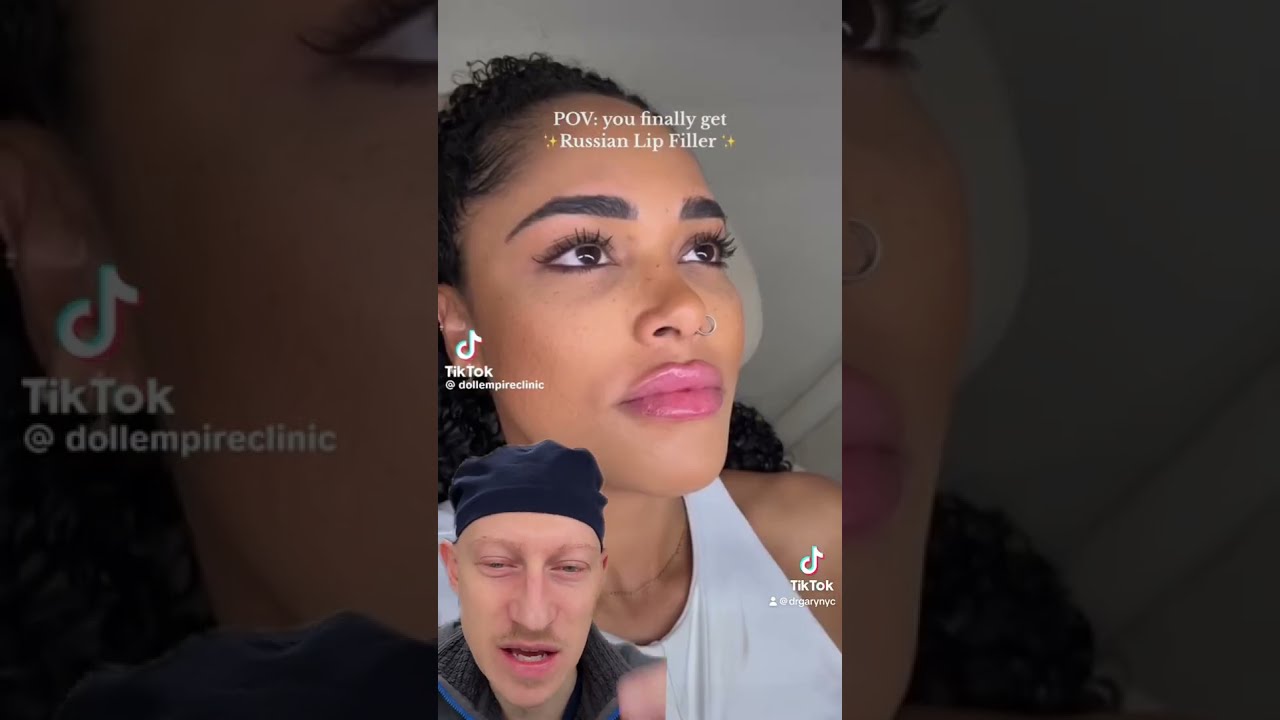
If a tiny firm spot appears, I often recommend warm compresses and a delicate roll between clean fingers after day five. If it persists past two weeks, a small touch with a cannula or a droplet of hyaluronidase can smooth it. The earlier you check in, the quicker we fix small issues before they become annoyances.
When things go off script: correction and dissolving
Lip filler correction is a skill separate from first time treatment. Overfilled columns, migration above the vermilion, and lumpy lateral pillows are the usual suspects. Migration often stems from product placed too superficially at the border or from repeated pressure on the lip over time. Hyaluronidase can selectively dissolve HA. I prefer staged dissolving to avoid overcorrection, then a rest period before re-filling with a more suitable lip filler type or technique.
Not every issue requires dissolving. Misdirected volume can sometimes be balanced with careful microdoses. However, the courage to undo and start clean often produces the freshest outcome. Patients fear that dissolving will erase their natural lips. It will not. Hyaluronidase targets the injected HA more than your own hyaluronic acid, and any transient softening of native tissue rebounds.
Choices that shape the feel, not just the look
Different HA lip filler options have different personalities. Gels with lower G prime tend to feel softer in motion, good for the lip body where kissability and speech matter. Slightly higher G prime products can maintain shape at the border and help with lip contouring. The viscosity and cohesivity also influence how a filler spreads. A cohesive gel can create a smooth sheet of hydration, ideal for a lip smoothing filler. A more particulate gel can stack for structured definition.
Patients often ask for long lasting lip filler. Longevity helps, but not at the expense of movement. I would rather repeat a small treatment at nine months with a product that feels natural than push a firmer gel that looks the same at rest but feels stiff when you smile. That trade off is personal, and your injector should explain it with examples, not blanket rules.
Trends worth following and trends worth skipping
Modern lip filler techniques emphasize restraint and placement. The “snatched border” trend can be elegant when done with microthreads and minimal vertical lift. Heavy keyhole or donut shaping often reads artificial in real life, even if it photographs well. The best lip filler solutions for 2025 look like hydrated, defined lips that move freely, with minimal product migrating above the vermilion.
There is room for artistry. A lip pout enhancement with subtle central projection can look youthful when balanced by a delicate border. A lip lift filler effect can be simulated with tiny doses that support the philtral peaks, but this is not a substitute for a surgical lip lift in someone with a very long upper lip. The art lies in knowing which tools belong to injectables and which belong to surgery.
Cost, value, and how to think about price
Affordable lip filler is not the cheapest syringe in town; it is the one that gets you to your goal with the fewest corrections and touch ups. Price per syringe ranges widely by geography and brand. A premium lip filler from a top injector can cost more upfront but may require less product and fewer visits. Factor in follow up, safety protocols, and the injector’s track record with the lip area. You are paying for judgment, not only milliliters.
If budget is tight, plan a staged approach. A half syringe now to refine the vermilion border and a lip hydration filler in six to eight weeks can deliver a polished result without overspending or overfilling.
Before and after photos that tell the truth
When evaluating lip filler before and after images, look at more than size. Check the philtral columns, the corners of the mouth, and the lateral profile. Are teeth still visible naturally when the patient smiles, or has the upper lip become too heavy? Do the borders look crisp without a shelf? Does the lower lip still hold a gentle central dip, or is it a straight bar? These details are signs of careful shaping rather than volume dumping.
Lighting and expression can mislead. A “before” with pursed lips and an “after” with a relaxed smile is not a fair comparison. Ask to see healed results at two to three weeks and, when possible, the same patient months later to gauge lip filler longevity.
Safety first: minimizing risk without paranoia
Most lip filler complications are mild and self limited, but vigilance prevents the rare serious issue. Bruising, swelling, and tenderness are expected. Vascular occlusion is uncommon, and an experienced clinic is prepared to recognize it. Sudden blanching, disproportionate pain, and reticular mottling are signs to stop, assess, and treat. Timely hyaluronidase, warmth, massage, and follow up checks are part of a protocol that prioritizes tissue health.
If you have a connective tissue disorder, autoimmune disease, or a history of severe allergies, discuss with your injector and primary clinician. Many patients still qualify for safe lip filler with tailored planning, but transparency matters.
Timeframes at a glance
Without adding another full list, consider this sequence. Numbing takes 15 to 25 minutes. The lip injectable procedure usually runs 15 to 30 minutes, longer if a cannula is used for meticulous shaping. Immediate swelling lasts hours to days. You might feel small tender spots for up to a week. True evaluation happens at two weeks, which is the ideal time for lip filler refinement if a tiny tweak is needed. Most people return for lip filler maintenance between 6 and 12 months, with a shorter interval for very soft gels or fast metabolizers.
A realistic path for different goals
If your aim is natural lip filler that looks like you on your best day, focus on border definition and hydration first. A small amount in the central tubercles adds youthfulness without the telltale “done” look. For someone seeking volume, commit to a staged plan: one syringe now for shape, then a lip filler touch up later for size. For lip wrinkles, think in terms of superficial microthreads and skin quality around the mouth, sometimes combined with energy-based treatments or skincare. For asymmetry, expect targeted doses and a follow up visit, since perfect mirror symmetry is not natural and should not be the aim.
A patient story illustrates the point. A professional violinist came in with dry, thinning lips and lipstick bleed, fearful of looking overfilled on stage. We used a lip hydration filler, 0.4 mL, to plump the mucosa subtly, and 0.15 mL along the upper border for crispness. Swelling resolved in three days. At two weeks, we added 0.1 mL to the left lateral body to balance her smile. No one noticed she had work done, yet she stopped reapplying balm every hour. That is the kind of lip filler improvement that reads as health, not alteration.
Final touch: the mirror test and the year ahead
At the end of a session, I give patients a mirror and ask them to speak, smile, and sip water. This is the first reality check. If the lip moves well and the borders catch the light cleanly, we are on track. I remind them that the lip filler experience includes a small arc: swelling, settling, then a quiet period of months when the lips simply feel normal. The calendar reminder for a check at six to nine months is not a commitment to refill, it is a pause to evaluate hydration, definition, and symmetry before a big change is needed.
When Additional reading you approach a lip augmentation treatment as a process rather than a single moment, you get better lip filler results and less regret. The journey from numbing to final touch is short, but the judgment behind each step is what delivers natural looking lip filler that fits your face, your expressions, and your life.